Marumali Program® at Work
Risk Management for First Nations Service Providers
Advanced training to strengthen resilience, manage trauma risk, and uphold cultural safety in complex service environments.
Understanding this Marumali Program®
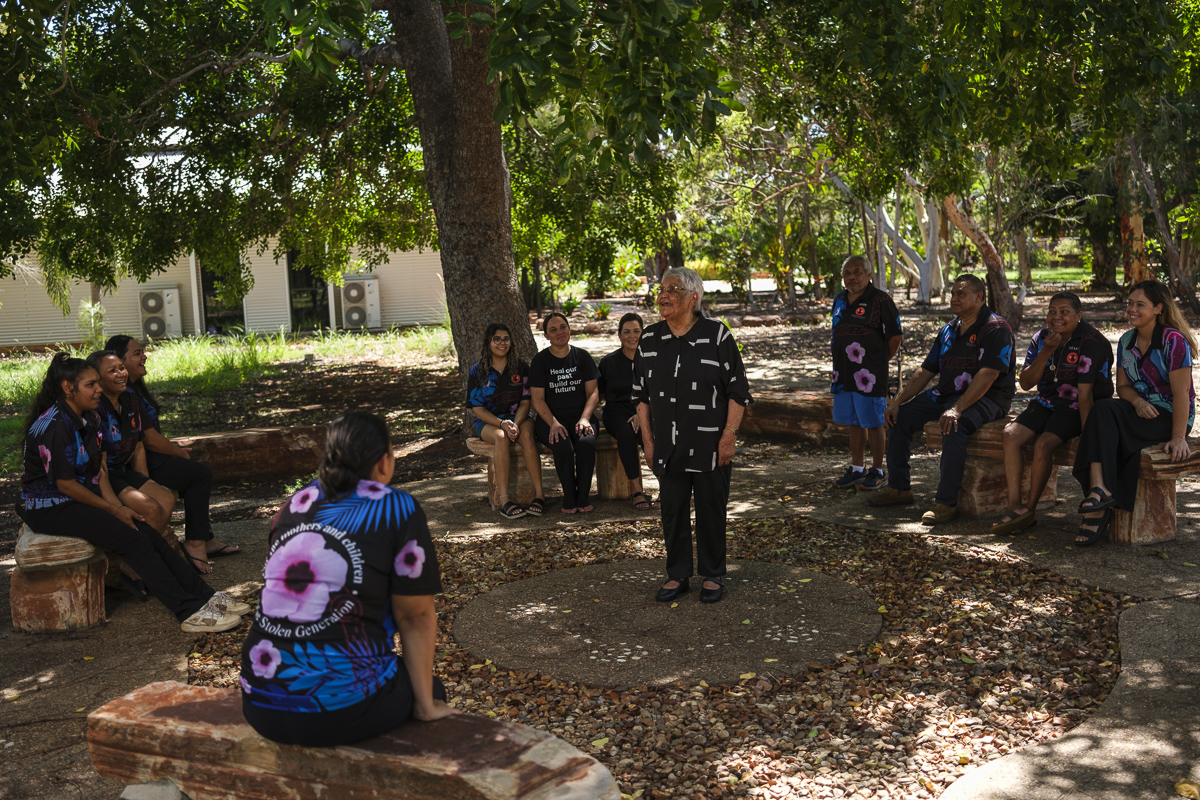
This advanced two-day workshop builds on the foundational Marumali Program® by supporting Aboriginal and Torres Strait Islander peoples professionals to navigate the complex emotional, cultural, and systemic risks in healing work. Participants reflect on their dual roles as service providers and community members, learning how to protect their wellbeing while delivering culturally grounded care.
Facilitated by experienced Indigenous trainers, the workshop provides practical tools for identifying trauma-related risks, strengthening boundaries, and embedding healing-informed practice across a range of service contexts. It empowers participants to lead safer, more resilient workplaces that uphold cultural integrity.
Knowledge and skills gained:
–
– Understanding trauma-related risks in service delivery
– Strengthening boundaries and protective factors
– Cultural integrity in high-risk environments
– Risk management through reflective practice
Participants leave equipped to lead safe, culturally strong service environments in complex, trauma-exposed sectors.
Learning Outcomes
Stronger, Safer Service Delivery
Participants complete the workshop with a renewed capacity to lead culturally safe, healing-informed teams within high-risk environments. They leave with clarity around their professional boundaries and a toolkit to help navigate trauma exposure without compromising personal wellbeing. The training enhances their ability to influence systemic change, reinforce workplace protocols, and protect staff and clients alike.
Participants are empowered to uphold cultural safety while managing emotional and organisational complexity, leading with integrity and resilience in sectors where healing work intersects with harm. They also gain confidence in shaping workplace practices that reflect both trauma-informed knowledge and cultural accountability. Ultimately, participants walk away better equipped to lead sustainable, values-driven services in complex contexts.
Workshop Highlights
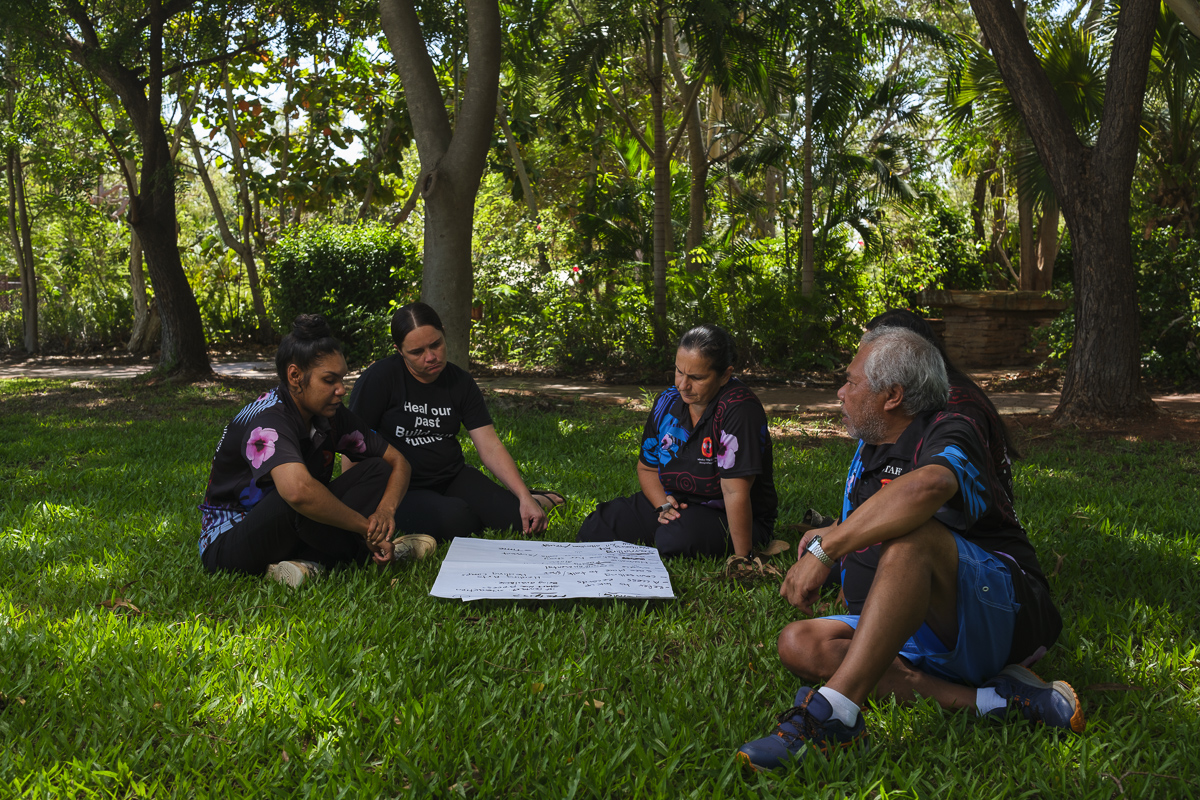
Reflective Risk Tools
Participants learn to identify emotional and cultural risks using guided tools that support safer, trauma-aware service delivery practices.
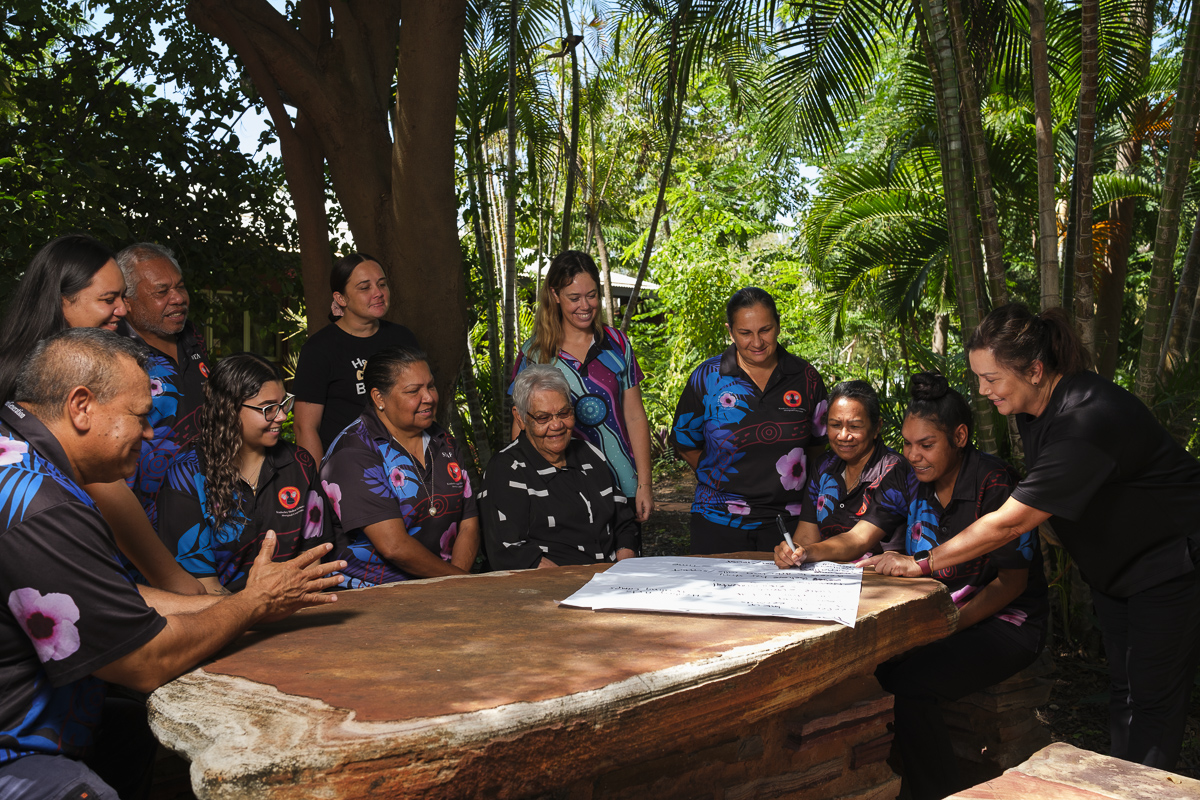
Boundary Building Practice
Participants strengthen boundaries, reduce burnout, and maintain cultural integrity while supporting vulnerable clients and communities.
Workplace Safety Strategies
Creating emotionally safe work environments that support healing, minimise re-traumatisation, and sustain long-term workforce wellbeing.
Participant Outcomes
Confidence and Commitment
Upon completion of the Marumali Program® at Work, participants will experience a significant boost in their confidence when engaging with Stolen Generations survivors and their families. The workshop’s trauma-informed approach ensures that attendees are well-prepared to deliver services that are not only respectful but also rights-based and culturally sensitive. Participants will leave with a stronger commitment to embedding cultural capability into their practice, fostering an environment of trust and healing.
What Participants Are Saying
This was the most relevant and practical training I’ve done in my career, it helped me set real boundaries without guilt.
I now understand how to manage cultural and emotional risks in my workplace. I feel safer and stronger.
This program gave me permission to lead from a place of integrity, not exhaustion. Every service should offer this.
Join Our Workshop
Enhance your leadership skills and cultural confidence with our advanced risk management workshop. Learn to navigate trauma, embed safety, and uphold cultural integrity across high-pressure environments. This program is ideal for Aboriginal and Torres Strait Islander peoples professionals supporting complex service delivery. Don’t miss your opportunity to make a meaningful difference.